

Technical SEO improvements that boost website performance are no longer optional for digital survival in 2026. As search engine algorithms shift toward hyper-personalized, intent-driven results, your underlying site architecture acts as the foundation for your entire online presence. If your infrastructure is sluggish, broken, or improperly indexed, even the most brilliant content strategy will fail to gain traction in competitive search engine results pages. Modern users and crawlers demand lightning-fast load times, seamless mobile responsiveness, and airtight security protocols. In this high-stakes environment, developers and marketers must collaborate to optimize core web vitals and crawlability. Failure to address these technical hurdles leads to immediate abandonment and plummeted rankings. We are witnessing a definitive era where technical excellence directly dictates your visibility, authority, and ultimate revenue potential in the global marketplace.
Mastering Core Web Vitals
The core of modern performance lies in Google’s Core Web Vitals, a set of metrics that measure user experience in 2026. Largest Contentful Paint (LCP), Interaction to Next Paint (INP), and Cumulative Layout Shift (CLS) are the pillars that determine if your site is considered healthy. Optimizing these requires a deep dive into your server response times and the efficiency of your JavaScript execution. By prioritizing the delivery of critical CSS and deferring non-essential scripts, you can significantly reduce the time it takes for your pages to become interactive. Organizations that ignore these metrics often find their bounce rates skyrocketing as users demand instant gratification from every digital interaction they encounter online.
Implementing a robust caching strategy and utilizing a content delivery network (CDN) are essential steps for any enterprise-level site. When you reduce the physical distance between your server and your end-user, you naturally improve latency and overall throughput. Furthermore, modern image formats like AVIF or WebP are now standard practice to ensure that media assets do not compromise your loading speed. By compressing these files without sacrificing visual quality, you maintain an engaging aesthetic while keeping your technical footprint light. This balance of speed and visual fidelity is the hallmark of a high-performing website in 2026, ensuring that you remain competitive against rivals who are constantly optimizing their technical stacks for better performance.
Advanced Crawlability and Indexing
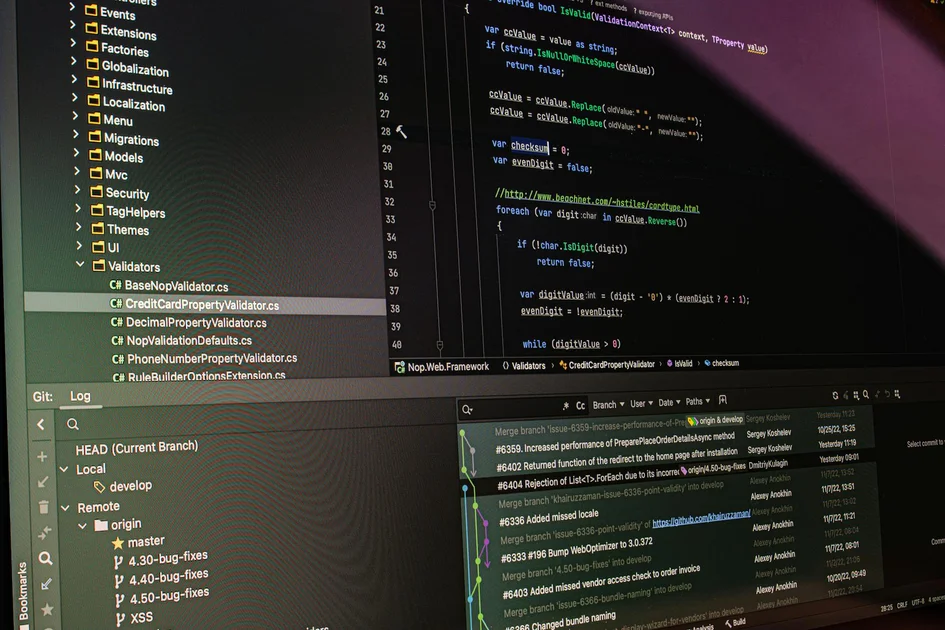
Your technical SEO strategy is futile if search engine bots cannot effectively crawl and index your site content. In 2026, managing your crawl budget is more critical than ever, especially for large-scale e-commerce platforms or content-heavy portals. This involves maintaining a clean XML sitemap, optimizing your robots.txt file, and minimizing unnecessary redirects that waste the limited time bots spend on your domain. Every broken link or 404 error serves as a roadblock that discourages search crawlers from exploring your deep pages. You must proactively audit your site structure to ensure that your most valuable content is only a few clicks away from the homepage, allowing for efficient discovery and faster indexing cycles.
Canonicalization and Schema Markup
Beyond basic crawling, you must master the art of canonicalization to prevent duplicate content issues that dilute your authority. By correctly implementing canonical tags, you tell search engines exactly which version of a page is the primary source of truth. Coupled with sophisticated structured data—such as JSON-LD schema—you provide context that helps search engines understand your content entities. This schema markup is vital for appearing in rich snippets and voice search queries, which are increasingly dominant in 2026. When you structure your data correctly, you effectively bridge the gap between human intent and machine understanding, leading to higher click-through rates and better organic visibility across various search surfaces.
Comparison Table / Specifications Table
| Optimization Feature | Standard Approach | Advanced 2026 Strategy | Performance Impact |
|---|---|---|---|
| Caching Method | Browser Caching | Edge Computing / Workers | Extreme reduction in TTFB |
| Image Optimization | JPEG/PNG | AVIF / Lazy Loading | Significant LCP improvement |
| JavaScript Execution | Blocking Scripts | Asynchronous/Deferred Loading | Enhanced INP metrics |
| Server Architecture | Shared Hosting | Cloud-Native Microservices | High scalability & uptime |
| Schema Markup | Basic Meta Tags | Granular JSON-LD Entities | Better rich snippet eligibility |
| Security Protocol | HTTP | TLS 1.3 / HSTS | Trust signal & rankings |
Pros and Cons Analysis
The pursuit of technical SEO excellence brings significant advantages, yet it is not without its complexities. The primary pro is the measurable increase in organic traffic and user engagement; when a site loads instantly and functions flawlessly, users are far more likely to convert. Furthermore, technical optimization creates a solid foundation for future scaling, allowing your business to expand its digital footprint without crumbling under increased traffic loads. This proactive approach to maintenance fosters long-term authority and trust with both users and search engines, cementing your brand as a reliable source of information in your niche. You can learn more about these standards through the Google Search Central documentation.
However, the cons include the high cost of implementation and the requirement for specialized technical talent. Maintaining a high-performance site is an ongoing, resource-intensive process that requires constant monitoring, testing, and adjustment. There is also the risk of over-optimization, where developers might unintentionally break site functionality or create complex dependency chains that are difficult to debug later. Striking the right balance between performance and maintainability is a challenge that requires experienced oversight. You must weigh the potential ROI against the development hours required to ensure that your technical investments align with broader business objectives, avoiding the trap of chasing vanity metrics at the expense of actual user needs.
Security as a Performance Driver
Security is no longer a separate IT concern; it is a fundamental pillar of technical SEO. In 2026, search engines prioritize websites that provide a secure, encrypted browsing experience. Implementing HTTPS is the baseline, but true technical excellence involves hardening your server against common vulnerabilities like cross-site scripting (XSS) and SQL injection. When your site is secure, you protect your users’ data and prevent unauthorized content injections that could damage your reputation. A secure site is a trusted site, and trust is a primary ranking factor for search engines. By maintaining updated security certificates and implementing strong content security policies, you signal to both algorithms and visitors that your platform is safe and authoritative.
Furthermore, performance and security often go hand-in-hand. For example, implementing modern protocols like HTTP/3 reduces the overhead of establishing secure connections, leading to faster handshake times and quicker page loads. This synergy between security and speed is essential for maintaining a competitive edge. If your site is perceived as vulnerable, users will bounce immediately, and search engines will downgrade your pages to protect their own users. Investing in advanced security measures is not just about preventing breaches; it is about providing a frictionless, high-performance experience that keeps users engaged and confident in your digital brand. Always monitor your security headers to ensure they are configured for optimal performance.
Frequently Asked Questions
Why is INP important in 2026?
Interaction to Next Paint measures the latency of user interactions. It is critical because it directly impacts the perceived responsiveness of your site, which is a major factor in user retention.
How does server location affect SEO?
Server location affects latency. Hosting your site physically closer to your target audience reduces TTFB, providing a faster experience that search engines reward with higher rankings.
Is image compression still relevant?
Absolutely. Large images are the primary cause of slow LCP. Using next-gen formats like AVIF ensures your site remains fast without sacrificing the high-quality visuals users expect today.
What is the role of structured data?
Structured data provides search engines with context about your content. This helps your pages qualify for rich snippets, which significantly increase your visibility and click-through rates.
Can technical SEO fix bad content?
No. Technical SEO creates the foundation for your content to be discovered. If the content lacks value, technical improvements will only help users find your low-quality pages faster.
Conclusion
Technical SEO improvements that boost website performance represent the backbone of digital success in 2026. By obsessively optimizing your Core Web Vitals, ensuring robust crawlability, and prioritizing security, you create an environment where your content can thrive. While the technical demands are high, the payoff in user engagement, search visibility, and conversion rates is undeniable. As we move deeper into an era of AI-driven search and high-speed expectations, staying ahead of these technical shifts is the only way to remain relevant. Commit to continuous auditing and performance monitoring to ensure your site remains a high-speed, secure, and reliable destination for your global audience.

Leave a Reply