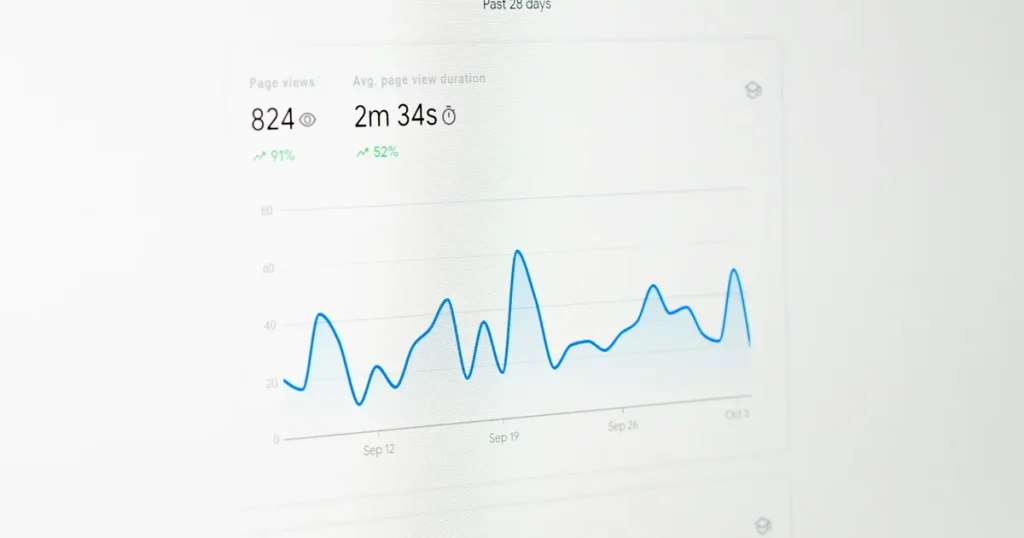

Real-time traffic analysis is paramount for content websites aiming to optimize user experience, improve engagement, and maximize revenue. Monitoring website traffic in real-time provides immediate insights into user behavior, content performance, and the effectiveness of marketing campaigns. This data-driven approach empowers website owners and marketers to make informed decisions, quickly address emerging issues, and capitalize on fleeting opportunities. Analyzing website traffic patterns as they unfold enables dynamic adjustments to content strategy, website design, and promotional efforts, ultimately contributing to a more successful and responsive online presence. In this article, we explore various methods and tools for conducting real-time traffic analysis for content websites in 2026.
Understanding Real-Time Traffic Data

Real-time traffic data encompasses a wide range of metrics that provide a near-instantaneous view of website activity. These metrics include the number of active users, the pages they are currently viewing, their geographic locations, the sources of referral traffic, and the actions they are taking on the site. This detailed information allows website owners to understand how users are interacting with their content at any given moment. By monitoring these metrics, website operators can identify trends, detect anomalies, and assess the immediate impact of specific events, such as a new product launch or a social media campaign.
Interpreting real-time traffic data effectively requires a clear understanding of the underlying metrics and their interrelationships. For instance, a sudden spike in traffic from a specific referral source might indicate the success of a recent marketing initiative, while a decrease in time spent on a particular page could suggest usability issues. Furthermore, analyzing real-time data in conjunction with historical trends can provide valuable context and help to differentiate between normal fluctuations and significant deviations. Tools that visualize this data in an easily digestible format are invaluable for quickly identifying and responding to critical changes.
Leveraging Google Analytics Realtime Reports
Google Analytics offers a robust Realtime reporting feature that provides a detailed overview of current website activity. This feature allows users to monitor the number of active users on their site, the pages those users are visiting, their locations, and the traffic sources driving their visits. The Realtime reports also offer insights into events triggered by user interactions, such as button clicks, form submissions, and video plays. This information is invaluable for understanding user behavior and identifying potential issues or opportunities as they arise. Google Analytics remains a staple for website analytics in 2026.
To effectively utilize Google Analytics Realtime reports, it is essential to configure the platform to track specific events and user actions relevant to your content website. This may involve setting up custom event tracking to monitor the performance of interactive elements, such as quizzes, polls, or embedded media. Additionally, segmenting the data based on user demographics, traffic sources, and device types can provide more granular insights into user behavior. By regularly monitoring the Realtime reports and analyzing the data in context, website owners can make informed decisions to optimize their content and improve the user experience. For a deeper dive, consider exploring Google’s own Analytics help documentation.
Utilizing Website Analytics Platforms
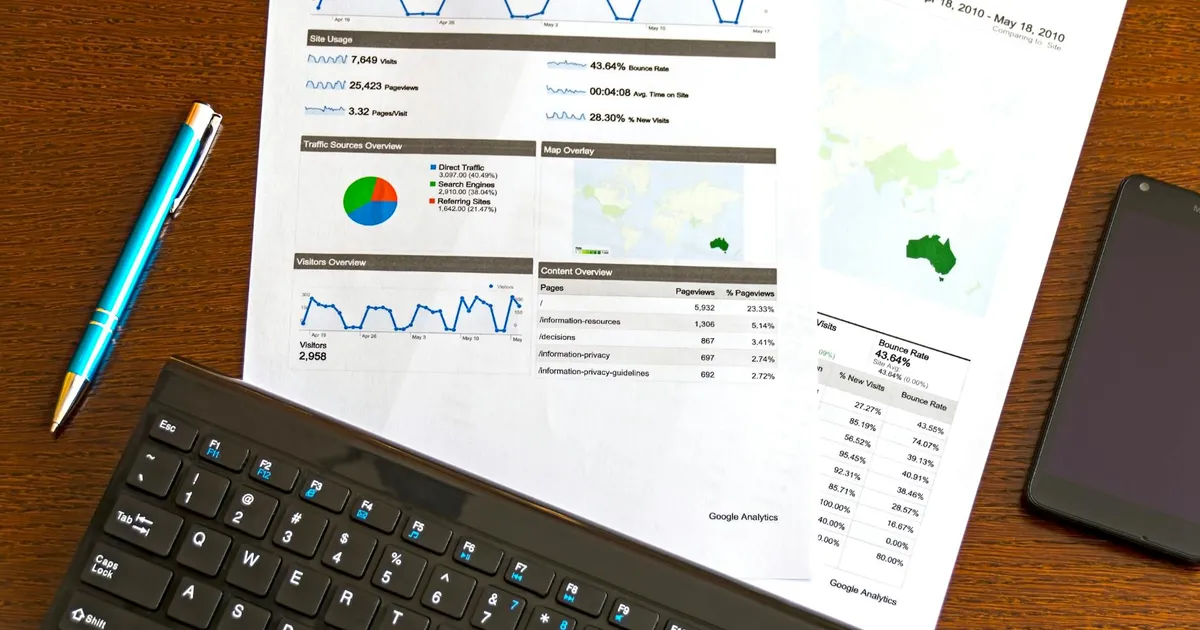
Beyond Google Analytics, a multitude of other website analytics platforms offer real-time traffic analysis capabilities. These platforms, such as Adobe Analytics, Matomo, and Chartbeat, often provide advanced features and functionalities tailored to specific needs. Adobe Analytics, for example, is a powerful enterprise-level solution that offers advanced segmentation, predictive analytics, and customizable dashboards. Matomo, on the other hand, is an open-source platform that provides greater control over data privacy and security. Chartbeat focuses specifically on real-time content analytics, offering insights into reader engagement, attention, and scroll depth.
When selecting a website analytics platform for real-time traffic analysis, it is crucial to consider your specific requirements, budget, and technical expertise. Factors to evaluate include the platform’s data accuracy, reporting capabilities, integration options, and user interface. Some platforms offer free trials or limited free plans, allowing you to test their features before committing to a paid subscription. Furthermore, it’s beneficial to read user reviews and compare the features and pricing of different platforms to make an informed decision. Choosing the right platform can significantly enhance your ability to understand and respond to real-time traffic patterns.
Monitoring Social Media Traffic
Social media platforms are significant drivers of traffic for many content websites, making it essential to monitor social media traffic in real-time. Platforms like Twitter, Facebook, and LinkedIn provide their own analytics dashboards that offer insights into the performance of shared content, including the number of clicks, shares, and comments. Additionally, social media monitoring tools, such as Hootsuite, Buffer, and Sprout Social, allow you to track mentions of your brand, monitor trending topics, and identify potential influencers who are sharing your content. Social listening is crucial for understanding public sentiment.
To effectively monitor social media traffic, it is important to track the performance of individual posts and campaigns, analyze the demographics of users who are engaging with your content, and identify the most effective social media channels for driving traffic to your website. Furthermore, it is essential to respond promptly to comments and questions on social media to foster engagement and build relationships with your audience. By closely monitoring social media traffic in real-time, you can identify opportunities to amplify your reach, improve your content strategy, and drive more traffic to your website. This practice will continue to be relevant in 2026.
Integrating Social Media Data with Website Analytics
Integrating social media data with your website analytics platform provides a more comprehensive view of your overall traffic and user behavior. This integration allows you to attribute website traffic to specific social media campaigns, track the conversion rates of social media visitors, and understand how social media engagement impacts user behavior on your website. For instance, you can use UTM parameters to track the performance of different social media links and analyze the behavior of users who arrive on your website through those links. This integrated approach provides a more holistic understanding of your marketing efforts and allows you to optimize your social media strategy for greater impact.
Using Heatmaps and Session Recordings

Heatmaps and session recordings offer a visual understanding of how users interact with your website in real-time. Heatmaps provide a visual representation of where users click, move their mouse, and scroll on your website, highlighting areas of interest and potential usability issues. Session recordings capture individual user sessions, allowing you to observe how users navigate your website, identify obstacles they encounter, and understand their overall experience. Tools like Hotjar and Crazy Egg provide heatmap and session recording capabilities that can greatly enhance your understanding of user behavior.
By analyzing heatmaps and session recordings in real-time, you can identify opportunities to improve your website’s design, content, and overall user experience. For example, if users are consistently clicking on a non-clickable element, you may need to make that element interactive or provide clearer instructions. Similarly, if users are encountering difficulties completing a form or navigating to a specific page, you can identify the source of the problem and implement corrective measures. These visual insights provide a powerful supplement to traditional analytics data and allow you to make data-driven improvements to your website.
Implementing Custom Dashboards and Alerts
Custom dashboards and alerts provide a centralized view of the key metrics that are most important to your content website, allowing you to quickly identify and respond to critical changes in real-time. Most website analytics platforms allow you to create custom dashboards that display specific metrics, such as active users, page views, bounce rates, and conversion rates. Additionally, you can set up alerts that notify you via email or SMS when certain metrics exceed predefined thresholds, allowing you to proactively address potential issues or capitalize on emerging opportunities.
When creating custom dashboards and alerts, it is important to focus on the metrics that are most directly related to your business goals and key performance indicators (KPIs). For example, if your goal is to increase subscriber sign-ups, you may want to create a dashboard that tracks the number of new subscribers, the conversion rate of your subscription forms, and the traffic sources driving subscriptions. Similarly, you can set up alerts to notify you when the conversion rate drops below a certain level or when a specific traffic source experiences a sudden surge in traffic. By monitoring these metrics in real-time, you can make informed decisions to optimize your website and achieve your business objectives.
Key Takeaways
- Real-time traffic analysis provides immediate insights into user behavior and content performance.
- Google Analytics Realtime reports offer a comprehensive overview of current website activity.
- Website analytics platforms like Adobe Analytics and Matomo provide advanced features.
- Monitoring social media traffic is essential for understanding the impact of social media on your website.
- Heatmaps and session recordings offer visual insights into user interactions.
- Custom dashboards and alerts provide a centralized view of key metrics and facilitate quick responses to changes.
Frequently Asked Questions
What is the difference between real-time and historical traffic analysis?
Real-time traffic analysis focuses on current website activity, providing immediate insights into user behavior and content performance. Historical traffic analysis, on the other hand, examines past trends and patterns to identify long-term trends and inform strategic decisions.
How accurate is real-time traffic data?
Real-time traffic data is generally accurate, but it may be subject to some delay due to processing and reporting constraints. However, the data is typically accurate enough to provide valuable insights into current website activity.
Can real-time traffic analysis help improve website security?
Yes, real-time traffic analysis can help improve website security by identifying suspicious activity, such as unusual traffic patterns or unauthorized access attempts. By monitoring traffic patterns in real-time, you can detect and respond to potential security threats more quickly.
What are the ethical considerations of collecting real-time traffic data?
When collecting real-time traffic data, it is important to respect user privacy and comply with relevant data privacy regulations, such as GDPR and CCPA. Transparency about data collection practices and providing users with control over their data are essential ethical considerations.
How can AI enhance real-time traffic analysis?
AI can enhance real-time traffic analysis by automatically identifying patterns, anomalies, and trends in the data. AI-powered tools can also provide predictive insights and recommendations for optimizing website performance and user experience. For example, in 2026, AI can predict a server overload situation due to a DDOS attack based on patterns observed in real-time traffic.
Conclusion
Real-time traffic analysis is an indispensable tool for content websites seeking to optimize their performance and user experience. By leveraging the various methods and tools available, website owners and marketers can gain a deeper understanding of user behavior, identify potential issues and opportunities, and make data-driven decisions to improve their online presence. From Google Analytics to heatmaps and custom dashboards, the ability to monitor and react to website traffic as it happens is critical for success in today’s fast-paced digital landscape. Continuous monitoring, analysis, and adaptation are key to staying ahead and maximizing the value of your content website.

Leave a Reply