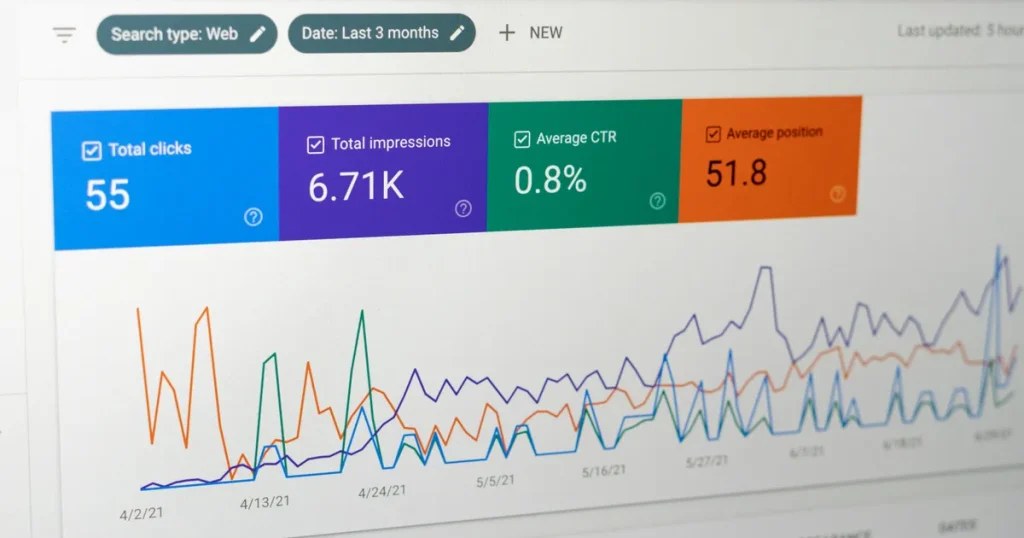

For bloggers aiming to understand their audience and refine their content strategy, website analytics tools are indispensable. Accessing accurate and comprehensive data doesn’t always require a premium subscription. Several robust, free website analytics tools provide invaluable insights into website traffic, user behavior, and content performance. By leveraging these tools, bloggers can make data-driven decisions to improve their content, attract more readers, and ultimately achieve their blogging goals. These platforms can help you understand not just how many people are visiting, but what they’re doing while they’re there. The digital landscape in 2026 is competitive; informed decisions are crucial for success.
Google Analytics: The Industry Standard
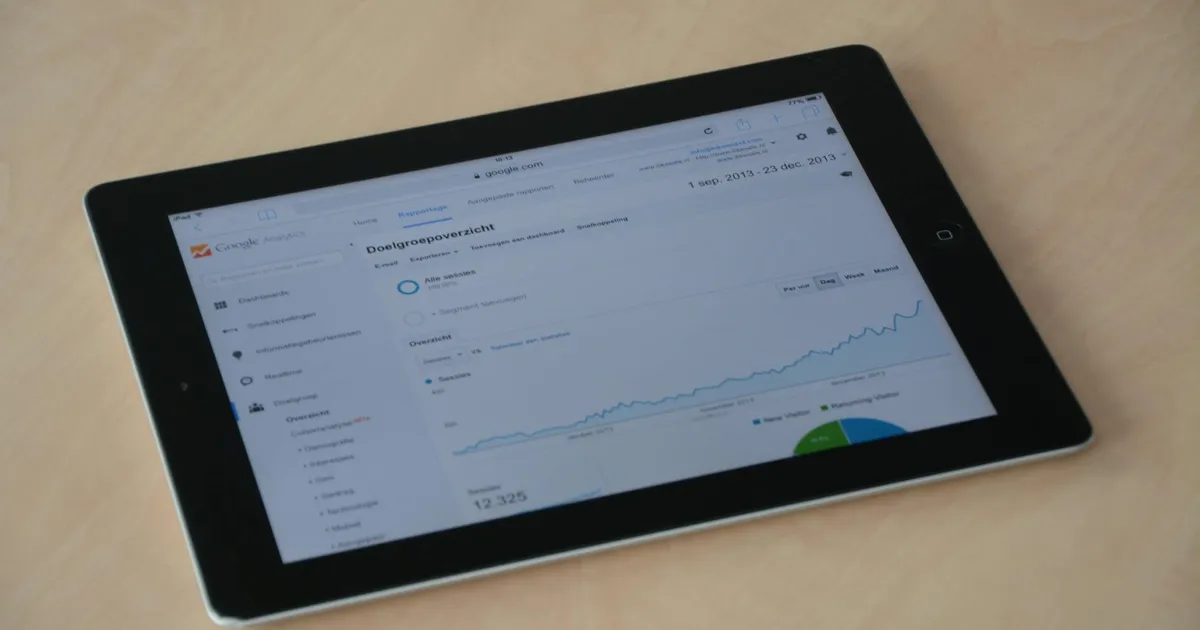
Google Analytics remains the most widely used free website analytics tool, offering a comprehensive suite of features for tracking website traffic and user engagement. It provides detailed reports on various metrics, including page views, bounce rate, session duration, and traffic sources. Bloggers can use this data to identify their most popular content, understand how users are navigating their site, and optimize their content strategy accordingly.
Furthermore, Google Analytics allows for the creation of custom dashboards and reports, enabling bloggers to focus on the specific metrics that are most relevant to their goals. Integration with other Google services, such as Google Search Console, provides additional insights into search engine performance. The platform’s robust features and extensive documentation make it an essential tool for any blogger serious about understanding their audience. Consider exploring Google’s own help resources for detailed guides. It’s a core tool even in 2026.
Microsoft Clarity: Session Recordings and Heatmaps
Microsoft Clarity offers a unique approach to website analytics by providing session recordings and heatmaps. These features allow bloggers to see exactly how users are interacting with their website. Session recordings capture user activity, including mouse movements, clicks, and scrolling, providing a visual representation of the user experience. Heatmaps aggregate user behavior to show which areas of a webpage are receiving the most attention.
By analyzing session recordings and heatmaps, bloggers can identify usability issues, understand how users are engaging with their content, and optimize their website design for improved user experience. Clarity’s relatively new approach allows for easier identification of points of user frustration, like confusing navigation or unengaging content sections. It’s a great complement to more traditional quantitative analytics offerings. This valuable visual data helps bloggers achieve a deeper understanding of visitor behavior than just raw numbers.
Enhanced User Experience Analysis
Both Google Analytics and Microsoft Clarity offer valuable tools for optimizing content, but each brings a unique perspective. Google Analytics, with its comprehensive metrics and data tracking, provides a broad overview of website performance. On the other hand, Microsoft Clarity delves into user behavior with its heatmaps, allowing for detailed analysis of user interactions. Combining the insights from both platforms offers a holistic approach, optimizing both content and user experience for the best possible blog performance.
Matomo: Privacy-Focused Analytics

Matomo (formerly Piwik) is an open-source website analytics platform that prioritizes user privacy. Unlike Google Analytics, Matomo gives bloggers full control over their data and ensures compliance with privacy regulations like GDPR. Bloggers can choose to host Matomo on their own servers, eliminating the need to share data with third-party providers. Matomo provides a comprehensive set of features, including real-time data, customizable dashboards, and event tracking.
Matomo also offers heatmaps, session recordings, and form analytics as optional add-ons, often for a price. For bloggers who value privacy and data control, Matomo is an excellent alternative to Google Analytics. The platform’s commitment to transparency and user privacy makes it particularly appealing for bloggers who want to build trust with their audience. It’s an increasingly attractive option as data regulations become more stringent. Matomo is becoming a preferred provider for websites adhering to privacy-centric practices and regulations.
Cloudflare Web Analytics: Lightweight and Fast

Cloudflare Web Analytics provides a privacy-first, lightweight alternative to traditional analytics tools. It is designed to be fast and efficient, minimizing its impact on website performance. Cloudflare Web Analytics does not use cookies, making it a privacy-friendly option that respects user preferences. It offers essential metrics such as page views, unique visitors, and referrer information.
Bloggers already using Cloudflare’s content delivery network (CDN) can easily enable web analytics with a single click, without needing to add additional code to their website. Cloudflare analyzes traffic at their edge network, providing valuable insights into website performance and security threats in addition to standard web metrics. The simplicity and speed of Cloudflare Web Analytics make it an attractive option for bloggers who prioritize performance and privacy.
Plausible Analytics: Simple and Open Source
Plausible Analytics is another open-source, privacy-focused alternative to Google Analytics. It is designed to be simple and easy to use, providing bloggers with essential metrics without overwhelming them with complex data. Plausible Analytics does not use cookies or track personal data, ensuring user privacy. It offers a clean and intuitive interface for viewing website traffic, referral sources, and top pages.
Bloggers can self-host Plausible Analytics or use their cloud-based service. Plausible Analytics is committed to transparency and open source development, making it a trustworthy option for bloggers who value ethical data practices. While it might lack some of the advanced features of Google Analytics, its simplicity and privacy focus make it a compelling choice for those seeking a more streamlined and ethical analytics solution. The tool helps to refocus on user privacy in the current digital landscape.
Umami: Minimalist Analytics
Umami is a minimalist, self-hosted website analytics solution. It is designed to be simple, fast, and privacy-focused. Umami focuses on providing essential metrics without unnecessary complexity. It offers a clean and intuitive dashboard for tracking website traffic, page views, and referral sources. It’s an excellent choice for small blogs needing basic stats with a focus on user privacy.
As a self-hosted solution, Umami provides full control over data, ensuring compliance with privacy regulations. Its lightweight design minimizes the impact on website performance. Umami’s minimalist approach makes it an attractive option for bloggers looking for a straightforward and privacy-respecting analytics tool without the complexity of more comprehensive platforms. The platform’s design philosophy highlights simplicity and data privacy, making it an increasingly valuable asset in the field of website analytics.
Key Takeaways
- Google Analytics offers a comprehensive suite of features but raises some user privacy concerns.
- Microsoft Clarity provides valuable visual insights through session recordings and heatmaps.
- Matomo prioritizes user privacy and data control through self-hosting options.
- Cloudflare Web Analytics is a lightweight and fast solution for website performance tracking.
- Plausible Analytics offers a simple and privacy-focused alternative to Google Analytics.
- Umami provides a minimalist analytics solution with a focus on simplicity and privacy.
Frequently Asked Questions
Which free website analytics tool is the most accurate?
Accuracy can vary based on implementation and specific configurations. Generally, Google Analytics is considered highly accurate when properly configured, but privacy-focused tools like Matomo or Plausible Analytics might provide a slightly different perspective due to their approach to data collection and user tracking.
Can I use multiple analytics tools at the same time?
Yes, you can use multiple analytics tools simultaneously. This can provide a more comprehensive view of your website data and help validate the accuracy of each tool. However, be mindful of any potential impact on website performance. Choose those most relevant to your blogging strategy.
Are free analytics tools really free, or are there hidden costs?
Most of the listed tools offer a free tier for basic usage. Some platforms like Matomo can incur server costs if self-hosting. Be sure to understand the terms of service and any limitations of the free plan. Assess if the free tier meets the needs for your blog or website.
How do I choose the right analytics tool for my blog?
Consider your specific needs and priorities. If you need comprehensive data and are comfortable with a more complex interface, Google Analytics might be a good choice. If you prioritize privacy and simplicity, Plausible Analytics or Umami could be more suitable. If user behavior is key for you, then Microsoft Clarity might be a prime tool. In 2026, it’s important to select what caters best to your user base, strategy and tech expertise.
How can I improve my website’s performance using analytics data?
Analyze the data to identify areas for improvement, such as high bounce rates or slow loading pages. Optimize your content, improve website design, and address any technical issues to enhance user experience and performance. Regular reviews of your analytics can inform strategy and site development, enabling higher conversions and reader engagement.
Conclusion
Choosing the right website analytics tool can significantly impact a blogger’s ability to understand and engage their audience. While Google Analytics remains a popular choice for its comprehensive features, privacy-focused alternatives like Matomo, Plausible Analytics, and Umami offer valuable options for those prioritizing data control. Microsoft Clarity provides unique insights through session recordings and heatmaps. By leveraging these tools and analyzing the data they provide, bloggers can make informed decisions to refine their content strategy, improve website performance, and achieve their blogging goals in this constantly evolving digital age.

Leave a Reply