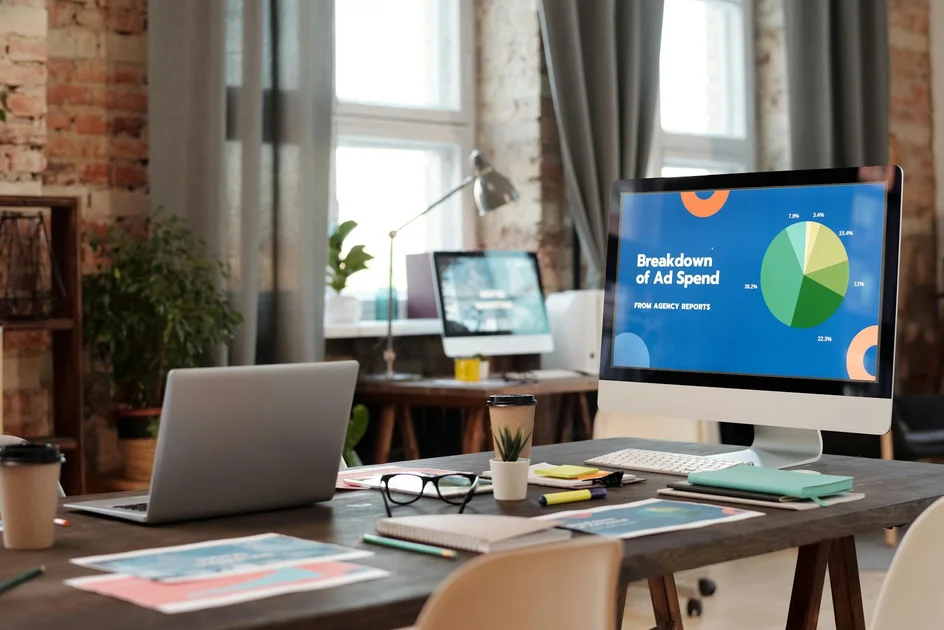

The race for digital dominance in 2026 demands more than just quality content; it requires mastering the best ad placement strategies for higher AdSense performance to survive the current economic climate. As programmatic advertising evolves, publishers are shifting away from intrusive, high-frequency ad layouts in favor of user-centric, high-intent placements that respect the reader’s journey. By strategically positioning ads where engagement is naturally highest, such as directly under the first paragraph or integrated naturally within long-form content, publishers can see significant boosts in Click-Through Rates (CTR) and overall Revenue Per Mille (RPM). This guide dives deep into the technical optimizations and behavioral patterns that define profitable ad ecosystems today, ensuring your site remains a high-performing asset in an increasingly competitive search engine landscape.
Above the Fold Optimization
The most critical real estate on any webpage remains the area visible without scrolling, commonly known as above the fold. In 2026, advertisers prioritize this space because it guarantees immediate visibility, making it the most expensive and lucrative inventory for Google AdSense. Placing a responsive display unit directly below your navigation bar or header provides instant exposure to every arriving visitor. However, you must maintain a balance to avoid violating Google’s policies regarding accidental clicks, which can trigger penalties and impact your account standing.
To maximize revenue here, utilize high-performing ad sizes that adapt to mobile and desktop screens seamlessly. Implementing sticky headers or top-tier banner units often results in a higher baseline for your daily earnings. Always ensure that the ad content does not push your primary page content completely off the screen on smaller devices, as this negatively impacts your core web vitals and user experience scores. By treating above-the-fold space as a premium placement, you create an immediate revenue stream that remains consistent regardless of how deep a user scrolls into your long-form articles.
Strategic In-Content Placement
The core of modern monetization lies in integrating ads within your content body, where user attention is most focused. By placing ad units after the second or third paragraph, you capture readers who are already hooked and engaged with the article’s core message. This strategy leverages the natural flow of reading, making ads feel like a part of the content rather than a distraction. As of 2026, the use of native-style ads that match the typography and design of your site has proven to be the most effective way to increase engagement without alienating your core audience.
Utilizing Paragraph Break Tactics
Break up your text into smaller, digestible chunks to create natural “breathing room” for ad units. Inserting an ad every 300 to 400 words prevents ad fatigue and ensures that your content remains readable. If you run a technical blog or a news portal, consider placing ads near relevant lists or data tables where users naturally pause their reading. This contextual alignment is the secret weapon for publishers looking to boost their AdSense performance, as users are more likely to interact with advertisements that feel relevant to the information they are currently consuming at that exact moment.
Pros and Cons Analysis
Understanding the trade-offs of aggressive ad placement is essential for long-term growth and site health. While increasing the number of units can lead to short-term spikes in revenue, it may also lead to higher bounce rates and decreased reader loyalty over time. The following table highlights the critical balance publishers must maintain in 2026 to stay profitable while keeping users satisfied.
| Strategy | Pros | Cons |
|---|---|---|
| High-Density Ad Layouts | Immediate RPM increase | Higher bounce rates, potential UX penalties |
| Contextual Native Ads | Better user engagement, higher CTR | Requires more manual setup and testing |
| Sticky Sidebar Ads | Persistent visibility during scrolling | Can be distracting on mobile devices |
| Minimalist Ad Placement | Excellent user experience, lower bounce | Lower overall revenue potential |
Reddit & Expert Community Consensus
The industry consensus on forums like Reddit and industry-leading developer hubs is clear: quality and user experience now outweigh pure ad volume. Digital marketing experts emphasize that the era of “ad-stuffing” is dead. Successful publishers are now prioritizing page speed and layout shift metrics over cramming more units onto a page. A common sentiment shared by top-tier publishers in 2026 is that a site with fewer, high-performing ads often generates more revenue than a site cluttered with low-quality, low-paying banners that annoy the reader.
The consensus across the board is that AdSense optimization is no longer about how many ads you can fit on a page, but rather how well you can integrate them into the user journey. If the user doesn’t trust your site, they won’t click your ads, regardless of where you place them. Focus on CLS (Cumulative Layout Shift) and speed—Google’s algorithms reward sites that provide a clean, fast experience, which in turn leads to higher CPMs. Stop fighting the user and start working with their natural scrolling behavior to place ads where they actually want to look.
Leveraging Sidebar and Sticky Units
Sidebars are often overlooked, yet they remain a pillar of desktop monetization strategies. By utilizing sticky sidebar widgets that follow the reader as they scroll, you maintain constant ad presence without needing to insert more units into the main content flow. This is particularly effective for long-form tutorials or news reports where the reader spends a significant amount of time on a single page. In 2026, the integration of sticky sidebars has become a standard practice for publishers who want to maximize their desktop real estate without sacrificing the readability of their primary editorial content.
Ensure that your sticky ads are properly coded to avoid overlapping with footer content or other critical elements. A common mistake is allowing the sticky ad to scroll off the page or get stuck over the comment section. Properly configuring the z-index and container height in your CSS will prevent these layout issues. When implemented correctly, these units act as a steady revenue stream that functions silently in the background, allowing you to focus on producing high-quality content that drives organic traffic to your site from search engines and social media channels.
Frequently Asked Questions
What is the ideal number of ads per page?
There is no magic number, but most experts suggest starting with three to four units per page. Focus on placement quality rather than quantity.
Do sticky ads violate Google AdSense policy?
No, provided they are implemented using standard AdSense responsive ad units and do not obscure content or cause accidental clicks.
How does page speed affect AdSense performance?
Page speed is a major ranking factor. Slow-loading ads can increase your bounce rate, which directly reduces your potential ad revenue.
Should I use auto-ads or manual placement?
A hybrid approach is often best. Use auto-ads for general coverage and manual placement for high-value areas like the top of your content.
How can I track which ad placement earns the most?
Use the AdSense Experiments feature or Google Analytics to track performance by ad slot. This allows you to A/B test different positions.
Key Takeaways
- Prioritize above-the-fold placements for the highest visibility and CTR.
- Use sticky sidebars to maintain ad presence without cluttering the content.
- Always optimize for Core Web Vitals to ensure speed and user trust.
- Test different ad densities to find the sweet spot between UX and revenue.
- Focus on high-intent areas like the end of articles or near relevant lists.
- Monitor your performance metrics regularly to adapt to changing user behavior.
Conclusion
Mastering the best ad placement strategies for higher AdSense performance in 2026 is an ongoing process of testing, refining, and prioritizing the user experience. By focusing on strategic placements that align with how real people interact with your content, you can create a sustainable revenue model that grows alongside your traffic. Remember that the ultimate goal is to provide value to your readers; when your content is exceptional, your ad performance will naturally follow. Stay updated with the latest Google policy changes, maintain a fast and responsive website, and always keep the reader’s journey at the center of your monetization strategy to ensure long-term success.

Leave a Reply