
Learning how to improve AdSense revenue without increasing traffic is the ultimate 2026 strategy for publishers looking to maximize their existing digital assets. Many website owners fall into the trap of thinking that more visitors are the only path to higher earnings, but experienced professionals know that yield management is where true profitability lies. By optimizing your current inventory, refining ad placements, and leveraging high-paying niche keywords, you can significantly increase your Revenue Per Mille (RPM) without needing a single additional visitor. As the digital advertising landscape becomes more sophisticated in 2026, the focus has shifted toward data-driven precision and user experience. This guide provides the tactical blueprint you need to squeeze every cent of potential out of your current audience while maintaining a professional and sustainable growth trajectory.
Strategic Ad Placement Optimization
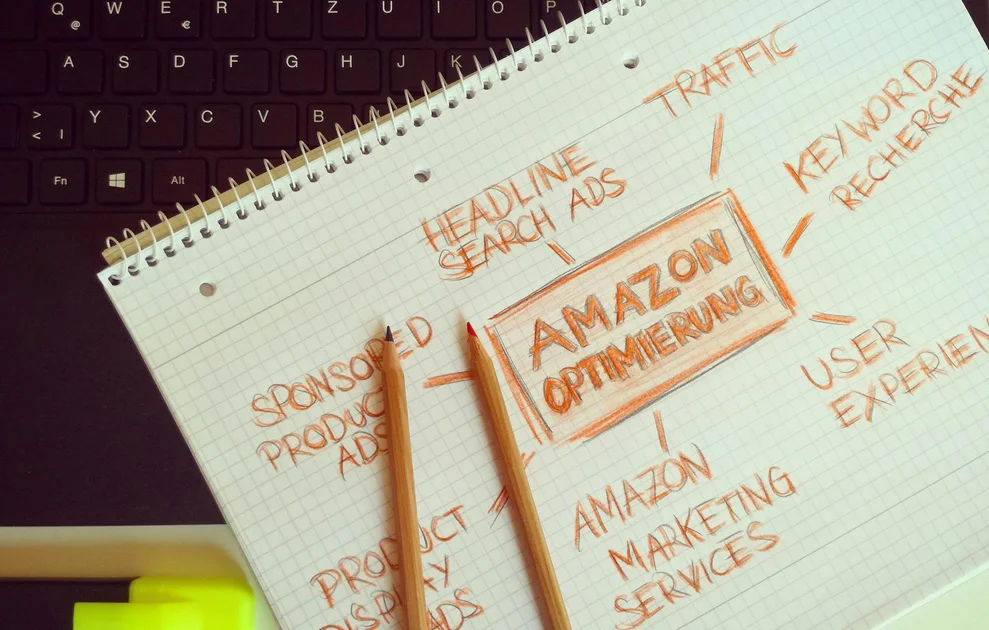
The most immediate way to influence your bottom line is by auditing where your ads are currently positioned on the page. In 2026, user behavior patterns have evolved, and “ad blindness” is a significant hurdle for publishers who rely on static, long-term layouts. You must prioritize the “above-the-fold” real estate, ensuring that high-performing ad units are visible the moment a page loads. However, avoid cluttering the top of your site, as this can trigger negative signals with search engine crawlers and frustrate your readers. Balance is the key to maintaining high engagement while ensuring that your most valuable inventory is front and center for advertisers competing in your niche.
Experimenting with sticky ads or anchor units can also provide a substantial uplift in revenue. These units remain in view as the user scrolls, which naturally increases viewability metrics—a key factor for high-paying advertisers. According to industry data from Google AdSense, viewability is a primary driver for demand in the auction. By ensuring your ads stay in the user’s field of vision for longer periods, you signal to the algorithm that your inventory is premium. Always test these placements on mobile devices first, as the majority of traffic in 2026 originates from smartphones, making mobile-responsive ad units non-negotiable for success.
Advanced Keyword Targeting and Niche Selection
Your content strategy should prioritize high-paying keywords if you want to see a spike in earnings without adding more traffic. Certain industries, such as finance, software-as-a-service (SaaS), and insurance, command significantly higher Cost-Per-Click (CPC) rates than entertainment or lifestyle topics. By auditing your existing content, you can identify pages that perform well and optimize them for related, high-value search terms. This is a process of refinement rather than creation, allowing you to bridge the gap between your current content and what advertisers are willing to pay a premium to sponsor. Use tools like the Google Keyword Planner to verify the current bid ranges for your chosen topics.
Leveraging High-Intent Content
Beyond broad keywords, focus on creating content that demonstrates high purchase intent. Articles that compare products, list “best of” software, or provide deep technical tutorials often attract advertisers who are ready to convert. When a user reads a comparison of 2026 CRM software, they are closer to the end of the sales funnel, making the ad space on that page far more valuable than on a generic news article. By pivoting your existing high-traffic pages to include more transactional elements, you can naturally increase the CPC of the ads served on those specific URLs. This shift in focus is how top-tier publishers maintain high revenue during seasonal traffic dips.
Pros and Cons Analysis
Before implementing aggressive changes, it is essential to weigh the trade-offs of optimizing for revenue over pure traffic growth. While increasing your RPM is highly effective, there are risks associated with over-monetization that every publisher must consider. The following analysis breaks down the core benefits and potential drawbacks of focusing on revenue efficiency as your primary 2026 business objective.
The primary benefit of this strategy is the immediate impact on your profitability. Because you are not spending time or money on content marketing or SEO for new traffic, your return on investment for these changes is near infinite. However, the drawback is the potential for a degraded user experience. If you place too many ads, your bounce rate may increase, which could eventually hurt your long-term organic rankings. A balanced approach requires constant monitoring of your Core Web Vitals to ensure that your site remains fast and accessible despite the increased ad load.
Comparison Table / Specifications Table
| Optimization Strategy | Impact on RPM | Ease of Setup | Best For |
|---|---|---|---|
| Sticky Anchor Ads | High | Easy | Mobile Traffic |
| Ad Refresh Logic | Medium | Complex | Long-form Content |
| High-CPC Keyword Pivot | High | Medium | Niche Websites |
| Header Bidding | Very High | Very Complex | Advanced Publishers |
| Auto-Ads Optimization | Low-Medium | Very Easy | Beginners |
| Ad Density Tuning | Medium | Easy | General Blogs |
Leveraging Ad Refresh Technology
Ad refresh technology allows you to serve multiple ads within a single user session without the user having to reload the page. This is particularly effective for long-form content, such as in-depth guides or lengthy tutorials where readers spend significant time. By setting an interval for your ads to refresh—such as every 30 or 60 seconds—you effectively double or triple your ad impressions for that same visitor. It is crucial to implement this carefully to avoid violating AdSense policies. Always ensure that your refresh logic is compliant with the latest AdSense Help Center guidelines for 2026 to prevent account flagging or revenue clawbacks.
When implementing these refreshes, consider the impact on site speed and user annoyance. Excessive ad refreshes can slow down the page, leading to a poorer experience. Use a lazy-loading approach for ads that are not currently in the viewport, ensuring that you only refresh units that the user is actively viewing. This sophisticated approach to inventory management maximizes your fill rate and ensures that advertisers are getting their money’s worth, which in turn increases the quality of the ads served on your site. Monitoring the performance of these refreshed ads via your dashboard is critical for finding the optimal interval.
Enhancing Ad Viewability Metrics
In 2026, advertisers are paying more for ads that are actually seen. Improving your viewability scores is a technical task that involves optimizing your site’s layout and loading speed. If an ad loads at the bottom of a page but the user never scrolls down, that impression is wasted. To fix this, use tools that track “Active View” metrics and identify pages with low viewability. Move your ad units into the “sweet spot” where users focus their attention most, such as the space between paragraphs or directly after a compelling sub-heading. By increasing your viewability percentage, you become a more attractive partner for premium advertisers.
Another technical aspect involves reducing the time it takes for ad units to render. If your page content loads, but the ad container remains blank for several seconds, you lose a valuable impression. Implementing techniques like pre-loading ad scripts or optimizing your site’s JavaScript execution can ensure that ads are ready to display the moment they are needed. A faster, more responsive site creates a better environment for ads to trigger, directly contributing to higher earnings. Always test your site on different network speeds, especially 5G and fiber, to ensure that your ad delivery remains consistent regardless of the user’s connection quality.
Frequently Asked Questions
Can I increase revenue without more traffic?
Yes, by optimizing your RPM through better ad placements, targeting high-CPC keywords, and improving ad viewability, you can earn more from your existing audience.
What is a good RPM in 2026?
A good RPM varies by niche, but generally, anything above $10-$15 for a content-rich site is considered solid, while finance-related sites often see much higher.
Will more ads hurt my rankings?
Google prioritizes user experience. If you clutter your page with too many ads that disrupt content, your rankings may suffer, so balance is essential.
Should I use automated ad settings?
Google’s Auto-Ads are excellent for beginners, but experienced publishers often see better results by manually placing units in high-engagement areas.
How often should ads refresh?
For long-form content, a refresh interval of 30 to 60 seconds is standard, provided the ads are in the user’s view to maintain policy compliance.
Key Takeaways
- Audit your current ad placements to prioritize high-viewability areas.
- Shift your content focus toward high-CPC, high-intent keywords.
- Implement smart ad refresh intervals for long-form page content.
- Monitor your AdSense dashboard for underperforming ad units daily.
- Ensure your site remains fast to prevent high bounce rates.
- Always follow Google’s 2026 policies to protect your account status.
Conclusion
Maximizing your AdSense revenue without increasing traffic is a disciplined process of optimization and strategic refinement. By treating your website like a premium digital billboard, you can increase your earnings by focusing on the quality of your ad units and the intent of your content. In 2026, the publishers who win are those who leverage data to improve viewability and CPC rates rather than just chasing vanity metrics. Take the time to test, measure, and adjust your ad strategy, and you will find that your existing traffic is capable of generating significantly more value than you ever previously thought possible.

Leave a Reply