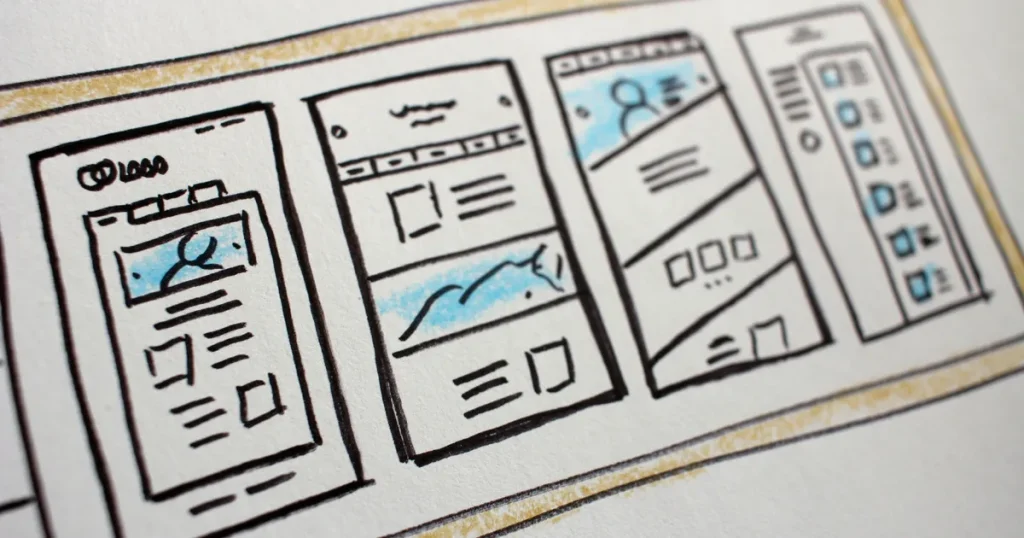

Mobile layout optimization is the primary catalyst for sustaining high-yield digital monetization in 2026, necessitating a sophisticated architectural balance between ad density and the integrity of Core Web Vitals. As engineers, we must move beyond the antiquated concepts of static placements and embrace a dynamic, viewport-aware methodology that prioritizes the main thread’s responsiveness. The challenge lies in minimizing Cumulative Layout Shift (CLS) while maximizing the Effective Cost Per Mille (eCPM) through high-viewability formats. Modern mobile environments demand that we treat ad units as first-class UI components rather than intrusive third-party injections. By leveraging advanced CSS Grid layouts and asynchronous script execution, developers can ensure that the Document Object Model (DOM) remains performant even when processing complex bidding logic from various demand-side platforms. This technical deep dive explores the implementation of high-performance ad formats that respect the hardware constraints of mobile devices.
Adaptive Anchored Banners and Viewport Logic
Adaptive anchored banners represent the evolution of the traditional 320×50 mobile leaderboard, utilizing sophisticated algorithms to calculate the optimal height based on the device’s specific aspect ratio and screen density. In the 2026 landscape, these units are no longer restricted to rigid dimensions but instead utilize a fluid container that requests the most efficient creative size from the ad server. This approach significantly reduces the “whitespace” issues common with legacy formats and ensures that the ad unit remains pinned to the safe area of the viewport, avoiding overlap with system-level navigation gestures. From a technical standpoint, implementing adaptive banners requires a precise understanding of the CSS env(safe-area-inset-bottom) constant to prevent interference with modern mobile OS interactions, which is critical for maintaining high user retention rates during long-form content consumption.
The engineering complexity of adaptive banners extends to the management of the browser’s compositing layers to ensure smooth scrolling performance. By applying the will-change: transform property to the banner container, we can signal the browser to promote the ad unit to its own GPU layer, thereby preventing expensive re-paints of the main content area during ad refresh cycles. Furthermore, integrating the Intersection Observer API allows for granular control over the refresh logic; the ad unit only triggers a new bid request when it has maintained a viewability threshold of 50% for a continuous duration. This prevents unnecessary CPU cycles and battery drain, which are vital metrics for mobile user experience. According to the W3C specifications on Intersection Observer, this method is the most efficient way to track element visibility without taxing the main execution thread.
Native Programmatic Integration and DOM Depth
Native programmatic ad formats offer a seamless integration by decoupling the ad data from its visual presentation, allowing engineers to style components using the application’s native design system. Instead of injecting an encapsulated iframe that disrupts the document flow, native ads deliver a JSON payload containing metadata such as headlines, call-to-action strings, and asset URLs. This allows for the construction of ad units using the same React or Vue components as the rest of the site, ensuring that the ad’s CSS architecture is identical to the host environment. By reducing DOM depth and avoiding the overhead of multiple nested iframes, we can significantly improve the Largest Contentful Paint (LCP) and provide a more cohesive aesthetic that feels like a natural extension of the editorial content rather than a fragmented add-on.
To optimize native integrations, developers should implement a skeleton screen state that reserves the exact vertical space required for the ad before the assets have finished loading. This proactive space reservation is essential for achieving a CLS score near zero. Furthermore, the use of srcset and sizes attributes on native image assets ensures that the mobile browser only downloads the resolution appropriate for the user’s current network conditions and hardware capabilities. In 2026, the industry has shifted toward using WebP and AVIF formats as the standard for these assets, providing superior compression without sacrificing visual clarity. By strictly controlling the asset pipeline through a centralized Content Delivery Network (CDN), we can reduce latency and ensure that the native unit is rendered synchronously with the surrounding content, maximizing the impact of the initial page load.
Latency Mitigation in Native Delivery
Reducing the Time to First Byte (TTFB) for ad payloads is critical when dealing with high-density native layouts that populate multiple slots simultaneously. By utilizing HTTP/3 (QUIC) protocols, we can eliminate head-of-line blocking, allowing the ad metadata to arrive in parallel with the site’s primary JavaScript bundles. Additionally, implementing a client-side caching strategy for ad templates can further reduce the rendering time for subsequent ad impressions within a single session. This ensures that the user’s transition between different sections of the mobile application remains fluid and uninterrupted by the overhead of repetitive network requests for the same UI components.
Rewarded Video and State Management
Rewarded video ad formats have become a staple of mobile layout optimization, particularly in gaming and utility applications, due to their high engagement rates and clear value exchange. Implementing these units requires a robust state management system to track the user’s progress through the video and ensure that the “reward” callback is only triggered upon successful completion. From an architectural perspective, the video player should be initialized in a separate worker thread or an isolated iframe to prevent any potential memory leaks or performance degradation of the primary application logic. This isolation ensures that even if the ad creative contains inefficient third-party tracking scripts, the core user experience remains responsive and stable throughout the duration of the playback.
The integration of the Mobile Rich Media Ad Interface Definitions (MRAID) 3.0 allows for more complex interactions within the rewarded video container, such as playable end-cards. Engineers must ensure that these interactive elements are responsive and handle touch events with minimal latency to avoid frustrating the user. Using the IAB Tech Lab MRAID standards, developers can build a bridge between the ad creative and the host app, enabling features like orientation locking and calendar integration. By monitoring the viewableChange event, the application can automatically pause the video if the user switches apps or navigates away, preserving the integrity of the impression and ensuring that the advertiser only pays for actual human engagement, which is a key metric for 2026 performance benchmarks.
Outstream Video and Scroll-Linked Animations
Outstream video units, which appear between paragraphs of text and expand only when in view, offer a high-impact alternative to traditional display banners without the intrusiveness of pre-roll ads. The technical challenge with outstream formats is managing the expansion and contraction of the container to prevent jarring layout shifts. This is achieved by using CSS transitions on the max-height property and ensuring that the container’s height is pre-calculated based on the video’s aspect ratio. Utilizing the hardware-accelerated transform property for any accompanying animations ensures that the mobile device’s CPU is not overwhelmed during the transition, maintaining a consistent 60 frames per second (FPS) even on mid-range hardware.
Furthermore, outstream units should employ a “mute-by-default” policy with a visible toggle to comply with modern browser autoplay restrictions and respect the user’s environmental context. The audio state should be managed globally to ensure that multiple video units do not compete for the device’s audio output. In terms of data optimization, these units should leverage the loading=”lazy” attribute for the initial player script, deferring its execution until the user has scrolled within a specific threshold of the placement. This reduces the total weight of the initial page load and prioritizes the rendering of editorial content, which is a critical factor in both SEO rankings and user satisfaction metrics for high-traffic mobile portals.
Comparative Analysis of Mobile Ad Formats
| Ad Format | UX Impact | CLS Potential | Typical eCPM | Primary Benefit |
|---|---|---|---|---|
| Adaptive Banner | Low | Minimal | Medium | High fill rate |
| Native Programmatic | Very Low | Zero | High | Seamless design |
| Rewarded Video | User-Initiated | None | Very High | Max engagement |
| Outstream Video | Medium | Moderate | High | Content flow |
| Interstitials | High | None | Extreme | Direct attention |
The data suggests that while Interstitials offer the highest eCPM, they must be used sparingly to avoid triggering search engine penalties for intrusive interstitials. For consistent revenue with minimal UX degradation, native programmatic units combined with adaptive anchored banners provide the most stable foundation. Engineers should prioritize the implementation of native units for core content feeds, as they offer the best balance between performance and monetization. By analyzing the Google Search Central guidelines on page experience, it becomes clear that maintaining a low CLS is non-negotiable for long-term organic traffic success, making the “Zero CLS” potential of native ads highly attractive.
Interstitials and User Flow Management
Interstitials, when implemented correctly, serve as high-impact transition points between distinct content segments or app states. The technical execution of an interstitial must focus on asynchronous pre-fetching to ensure that the ad creative is fully cached before the trigger event occurs. This eliminates the “loading spinner” experience, which is a major point of friction for mobile users. In 2026, the use of the requestIdleCallback API allows us to fetch these heavy assets during periods of low CPU activity, ensuring that the primary user interaction remains snappy. Furthermore, the interstitial must provide an immediate and easily accessible “close” button that meets minimum tap-target size requirements (at least 44×44 points) to prevent accidental clicks and user frustration.
To further optimize the layout, interstitials should be rendered using a portal-based approach, where the ad container is appended to the root of the body rather than nested within the current page’s component hierarchy. This prevents style leakage and ensures that the ad’s z-index management is simplified. We must also implement a “frequency capping” logic at the client level to prevent the same user from seeing multiple interstitials within a short timeframe, which would negatively impact retention. By utilizing localStorage or IndexedDB to track session-based impression counts, we can enforce these caps locally without needing a round-trip to the server, thereby further reducing latency and enhancing the overall fluidity of the mobile experience.
Key Takeaways
- Prioritize Core Web Vitals: Always use skeleton screens and pre-calculated aspect ratios to maintain a CLS score below 0.1.
- Leverage Native Ads: Use JSON-based native programmatic units to reduce DOM depth and align with the site’s CSS architecture.
- Optimize Video Delivery: Implement outstream and rewarded video using lazy loading and separate GPU compositing layers.
- Asynchronous Pre-fetching: Use requestIdleCallback to fetch interstitial assets without blocking the main execution thread.
- Viewport Awareness: Utilize env(safe-area-inset) and adaptive sizing to ensure ads respect modern mobile device constraints.
- Frequency Capping: Implement client-side logic to limit high-impact formats like interstitials for better user retention.
Frequently Asked Questions
What is the best way to prevent Cumulative Layout Shift from ads?
The most effective method is to reserve the ad slot’s space in the CSS before the ad is requested. By setting a minimum height on the ad container that matches the expected creative size, you ensure that the surrounding content does not “jump” when the ad finally renders.
How does 5G affect mobile ad layout optimization?
While 5G provides higher bandwidth, latency remains a factor due to the complexity of programmatic bidding. Engineers should still prioritize asset compression and efficient script execution to ensure that the ad does not delay the rendering of the primary UI.
Should I use iframes for all mobile ad units?
While iframes provide security and isolation, they can be heavy and difficult to style. For native ads, a non-iframe approach using JSON data is preferred for performance, whereas for third-party display banners, Cross-Origin Isolated iframes are the standard for safety.
How do I handle ad refresh without hurting the UX?
Implement a viewability-based refresh logic where an ad only updates if it has been visible for at least 30 seconds. Use CSS transitions to fade the new ad in, rather than a hard swap, to make the transition less jarring for the user.
Are interstitials still viable in 2026?
Yes, but they must be “user-friendly” by appearing at natural break points and offering an immediate exit. Search engines continue to penalize sites that use intrusive pop-ups that block the initial content load on mobile devices.
Conclusion
Successful mobile layout optimization in 2026 requires an engineering-first mindset that treats ad placements as integral parts of the application’s performance budget. By moving toward native programmatic integrations, utilizing adaptive banner logic, and strictly adhering to modern browser APIs like Intersection Observer and requestIdleCallback, we can bridge the gap between high-yield monetization and premium user experience. The future of mobile advertising lies in the seamless, low-latency delivery of assets that respect the user’s hardware and context, ensuring that the digital ecosystem remains both profitable and performant for years to come.

Leave a Reply